
Exploring the evolution of casinos through the ages
Ancient Beginnings: The Roots of Gambling
The concept of gambling can be traced back to ancient civilizations, where activities involving chance and luck were a form of social entertainment. Evidence from archaeological sites reveals that dice, made from bones and stones, were used in games of chance in ancient Mesopotamia around 3000 BC. In ancient China, around the same time, rudimentary forms of gambling emerged with the use of tiles. This early engagement with games of chance laid the foundational cultural significance of gambling in society. Today, players can also explore various platforms like https://lizarocasinos-uk.com/, which reflect this rich history.

As societies evolved, so did the nature of gambling. In ancient Rome, public gambling houses were established, and various games were played, often associated with betting on the outcomes of gladiatorial battles and chariot races. The Romans not only contributed to the proliferation of gambling culture but also introduced legal regulations around it, setting the stage for the more formalized systems that would emerge in later centuries. The combination of entertainment and risk created a unique social environment, paving the way for casinos as we know them today.
With the fall of the Roman Empire, many aspects of this gambling culture faded, but the interest remained resilient. During the Middle Ages, various games involving chance continued in secrecy, often associated with festivals and local fairs. Gambling took on a somewhat clandestine nature, as laws fluctuated, reflecting the ongoing tension between moral perspectives and the allure of chance. This period of adaptation and resilience in gambling practices set the stage for the revival and evolution of casinos in the modern age.
The Birth of the Casino: 17th Century Europe
The first official casinos appeared in Europe during the 17th century, marking a significant turning point in the evolution of gambling establishments. The Casino di Venezia, established in 1638 in Italy, is recognized as the world’s oldest gambling house still in operation. This establishment reflected a sophisticated blend of social interaction and leisure, catering to the burgeoning elite who sought both entertainment and the thrill of risk. With this emergence, gambling transformed from informal gatherings to formalized, regulated environments.
As casinos gained popularity in Europe, particularly in France and Italy, they started to evolve into luxurious destinations that combined gambling with opulent dining, music, and dancing. The famed French casino culture also introduced games that are now global staples, such as baccarat and roulette. This period of grandeur was characterized by intricate designs and lavish interiors, creating a captivating atmosphere for patrons. The casino experience was no longer merely about gambling; it became a comprehensive social event.
Regulations began to emerge during this time to curb gambling excesses, with some governments imposing taxes and creating legal frameworks for casino operations. The legal landscape shifted as authorities recognized the economic potential of casino taxation and regulated gaming. This formal recognition of casinos as legitimate businesses contributed to their rapid expansion, setting the groundwork for the proliferation of casinos across Europe and eventually the world.
The Golden Age of Casinos: 19th Century to Early 20th Century
The 19th century heralded a golden age for casinos, particularly in cities like Monte Carlo and Las Vegas. Monte Carlo, home to the famous Casino de Monte-Carlo, became synonymous with luxury and high-stakes gambling, attracting the wealthy elite from across the globe. This casino not only offered games but also showcased lavish entertainment, creating a holistic experience that appealed to all the senses. Its success inspired other cities to establish similar venues, elevating gambling to an art form.
In the United States, the landscape of gambling began to shift with the establishment of the first legal casinos in Nevada. The 1931 legalization of gambling in Nevada positioned Las Vegas as a burgeoning hub for the casino industry. With the construction of the iconic resorts and casinos, Las Vegas quickly transformed from a small desert town into a vibrant entertainment capital. The glitz and glamour of Las Vegas casinos defined the era, creating a unique appeal that drew millions of visitors seeking escapism and excitement.
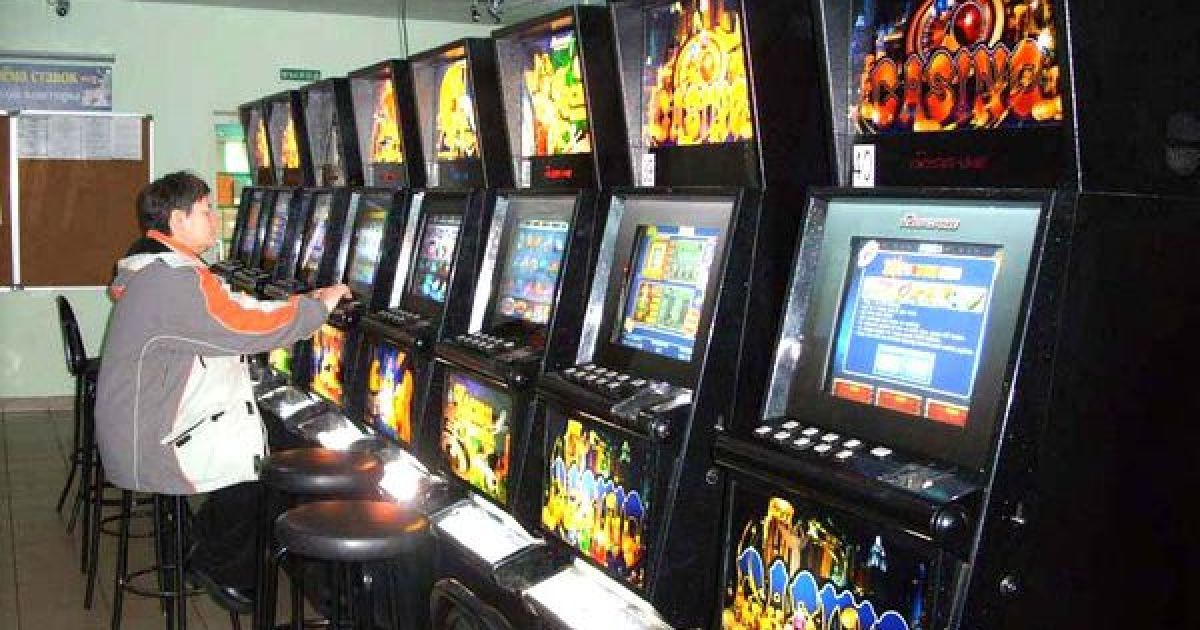
The early 20th century saw increased regulation and the emergence of new gaming technologies. The introduction of slot machines and electronic gaming devices revolutionized the way people engaged with gambling. This era laid the foundation for the modern casino, where technology began to play an increasingly central role in shaping the gaming experience, paving the way for the diverse offerings that would dominate the industry in subsequent decades.
The Modern Casino: Transformation and Technology
The late 20th century ushered in a new era for casinos, characterized by significant advancements in technology and a shift towards online gambling. The advent of the internet transformed the way players accessed gambling, leading to the emergence of online casinos that offered unprecedented convenience. Players could now gamble from the comfort of their homes, breaking down geographical barriers and expanding the casino experience to a global audience.
As casinos adapted to this digital shift, they began to incorporate innovative technologies such as virtual reality and mobile gaming. These advancements not only enhanced the user experience but also expanded the types of games available. Live dealer games, which combine the thrill of a physical casino with the convenience of online play, have gained immense popularity. This evolution reflects a broader trend in the gaming industry that prioritizes player engagement and accessibility.
However, the modern casino landscape is also shaped by regulatory challenges. As online gambling grew, so did the need for robust legal frameworks to ensure fair play and protect consumers. Many countries have developed specific regulations governing online gaming, highlighting the ongoing tension between the desire for economic growth through gaming and the imperative to safeguard players. This balance continues to shape the evolution of casinos in the contemporary world.
Conclusion: The Casino Experience Today
Today, casinos embody a blend of tradition and innovation, creating multifaceted environments where gambling, entertainment, and social interaction converge. Online platforms like Lizaro Casino exemplify this evolution by offering a wide range of games that cater to diverse player preferences. With over 10,000 games available, including popular titles from leading providers, players are treated to an engaging gaming experience that reflects modern sensibilities.
Security remains a top priority in today’s online gaming landscape, and platforms like Lizaro Casino implement advanced security measures, such as SSL/TLS encryption and PCI-DSS compliance, ensuring a safe gaming environment for players. Additionally, attractive bonuses and diverse payment options, including cryptocurrencies, enhance the user experience and invite newcomers to explore the exciting world of online gambling.
As the casino industry continues to evolve, the historical journey from ancient games of chance to modern digital experiences illustrates the dynamic nature of gambling culture. Casinos have transformed into vibrant social spaces, and with ongoing innovations, they promise to remain a significant aspect of entertainment for future generations. Whether in a luxurious brick-and-mortar establishment or a cutting-edge online platform, the thrill of chance endures, captivating players around the world.