
There is a common perception about gambling sites that can lead to misunderstandings and misinformation. To clarify these misconceptions, it is essential to recognize what gambling sites are not. For instance, what gambling sites are not on GamStop sites not on GamStop UK challenge the idea that all online gambling platforms are the same, providing alternative venues for players looking for variety and different experiences.

What Gambling Sites Are Not
Gambling sites are often perceived through a narrow lens that categorizes them as purely negative or untrustworthy. However, it’s crucial to understand what gambling sites are not, as this perspective can help you navigate the online betting world more effectively. By debunking these myths, we can foster a more informed and responsible approach to online gambling.
1. Not All Gambling Sites Are Scams
The internet is rife with stories of scams and fraudulent activities, leading many to believe that all online gambling sites are out to deceive players. While there are certainly unregulated and unscrupulous sites, many gambling platforms operate legally and ethically. These sites are licensed and regulated by gambling authorities, ensuring that they adhere to strict standards of fairness and transparency.
2. Not All Gambling Sites Are the Same
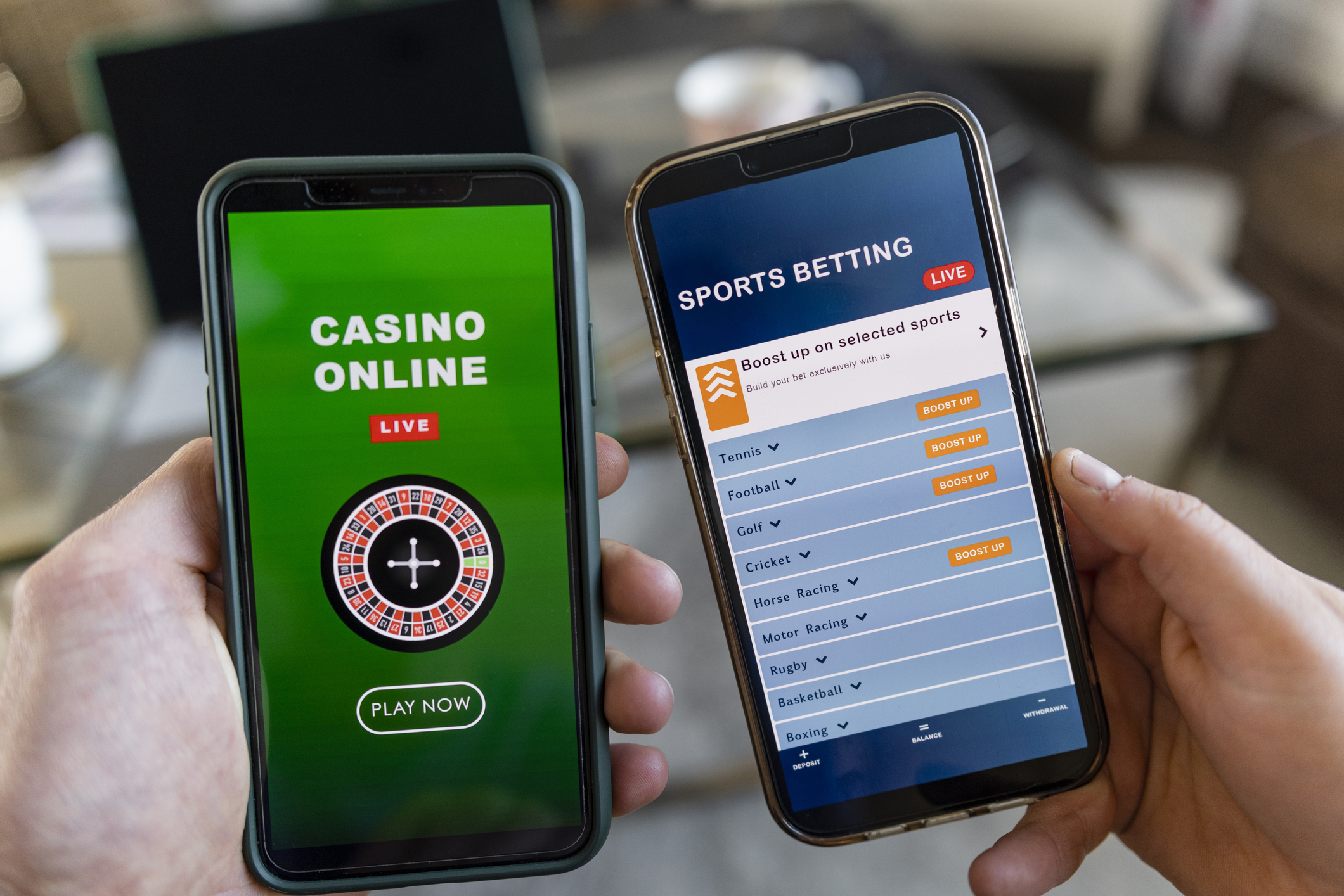
Each gambling site has distinct characteristics, games, and user experiences. Some focus on specific types of gambling, such as sports betting, while others may specialize in casino games or poker. The misconception that all sites offer the same games and rewards can prevent players from exploring options that may better suit their preferences and playing styles. In reality, researching different platforms can reveal a diverse array of game choices and promotional offers.
3. Not All Gambling Is Problematic
Another common misconception is that all gambling leads to addiction and financial ruin. While it is true that some individuals may develop gambling problems, this is not the case for everyone. Many people enjoy gambling responsibly as a form of entertainment without negative consequences. Understanding the difference between responsible gambling and problematic behavior is critical for enjoying the activity safely.

4. Not All Players Are in It for the Money
People gamble for various reasons—while some do so with the intention of winning money, many players engage in gambling purely for the enjoyment and thrill of the game. This recreational aspect can often be overlooked. Gamblers might appreciate the social aspect of playing with friends, the excitement of trying new games, or the opportunity to engage with a vibrant online community. The idea that gambling is solely about financial gain simplifies a complex and diverse activity.
5. Not All Gambling Sites Offer Poor Customer Support
A prevalent belief is that gambling sites lack customer service and support. However, many reputable online casinos prioritize customer satisfaction and offer extensive support options. Players can find live chat, email, and phone support, in addition to detailed FAQs to assist with any queries or issues they may encounter. It is essential to research a site’s support options before joining to ensure they meet your expectations.
6. Not All Gambling Has to Be High Stakes
A common stereotype is that gambling must involve high stakes or large amounts of money. In reality, numerous gaming platforms allow players to engage in low-stakes games, giving everyone the opportunity to participate without risking significant financial loss. This accessibility makes gambling an enjoyable experience for a broader audience, encouraging casual play rather than high-pressure gambling.
7. Not All Gambling Sites Are Isolated
Some players believe that gambling online means they are disconnected from others. In fact, many gambling sites foster community interaction through chat rooms, leaderboards, and tournament features. Players can connect, share experiences, and engage in friendly competition with fellow gamblers from around the globe. This social aspect can enhance the overall gambling experience, creating a sense of camaraderie among players.
8. Not All Regulations Are Bad
Many gamblers view regulations as an obstacle or restriction, but regulations are put in place to protect players. Licensing organizations ensure that gambling sites follow specific guidelines that promote player safety, fair play, and secure transactions. Although regulations may seem limiting, they ultimately serve to create a more secure environment for online gambling.
9. Not All Gambling Experiences Are Anonymous
Some players assume that their online activities are entirely private and anonymous. However, users must be aware that many gambling sites require personal information for registration and verification. Furthermore, responsible gambling measures may involve sharing certain player data to help identify potential gambling issues. Players should familiarize themselves with a site’s privacy policies to understand how their data is managed.
10. Not All Gambling Strategies Guarantee Wins
Another misconception is that certain strategies can guarantee success in gambling. While there are methods and systems that may enhance a player’s chances, there is no foolproof strategy that assures wins in games of chance like slots, poker, or roulette. Understanding the odds and accepting the inherent risks of gambling is crucial for maintaining a realistic perspective on potential outcomes.
Conclusion
Understanding what gambling sites are not is just as important as recognizing their qualities. By debunking misconceptions, we can cultivate a more nuanced understanding of the online gambling landscape. This understanding fosters responsible gambling practices and encourages players to seek out reputable sites that align with their goals and entertainment needs. Remember, gambling should be a source of fun and enjoyment, not a path to potential harm.